The 911 emergency system stands as a critical lifeline, the first point of contact for individuals facing life-threatening situations, crimes in progress, or medical emergencies. It's a service built on trust, the fundamental belief that when you dial those three digits, help is on the way. However, a disturbing trend has emerged, shattering that trust: instances where 911 operators, the very people meant to provide aid, have been accused of deliberately hanging up on callers in distress. This egregious misconduct not only leaves victims vulnerable but also carries severe legal repercussions, with several operators facing criminal prosecution and the undeniable consequence of being a 911 operator fired.
The Disturbing Trend: When Emergency Calls Go Unanswered (or Disconnected)
For most, the idea of a 911 operator intentionally disconnecting an emergency call is unthinkable. Yet, across the nation, cases have surfaced that paint a grim picture of this professional betrayal. These incidents often come to light through diligent performance tracking by emergency centers, which flag "short calls"—those lasting mere seconds—as potential red flags.
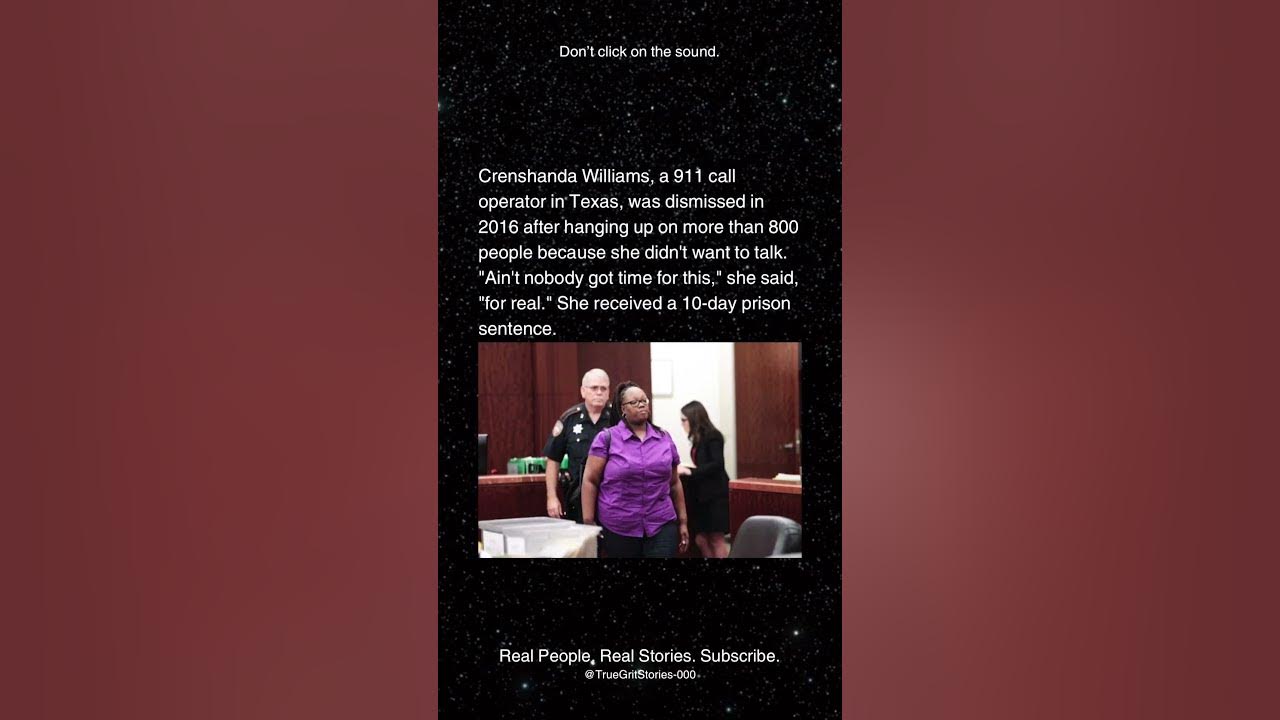
One of the most prominent cases involves Creshanda Williams, a Houston-based 911 operator. Williams found herself facing criminal charges for interference with emergency telephone calls after managers at the Houston Emergency Center noticed a pattern of unusually brief interactions. Police documents detailed her involvement in calls lasting less than twenty seconds. The most harrowing account came from a robbery victim, Hua Li, who recounted trying to report a crime in progress:
“They just said, ‘This is 911. How can I help you?’ I was trying to finish my sentence, and we got disconnected,” Li tragically stated.
According to police, Williams hung up the phone just moments into the call, leaving Li in a perilous situation without the critical assistance he desperately needed. This incident directly led to Williams' termination from the Houston Emergency Center, and she was expected to appear in court to face misdemeanor charges. This shocking dereliction of duty underscores the severe consequences when a Houston 911 operator fired after hanging up on robbery victim makes headlines, eroding public confidence in emergency services.
Another alarming case emerged from New Orleans, involving Precious Stephens, a 25-year-old 911 operator. Stephens faced charges of malfeasance and interfering with an emergency communication. The New Orleans Police Department reported that Stephens allegedly disconnected calls without gathering any vital information or relaying the incidents to emergency dispatchers. Such actions are not merely negligent; they are deliberate acts that jeopardize public safety and violate the core mission of emergency response.
The Grave Impact on Callers and Public Trust
- Increased Danger: For victims of crimes, medical emergencies, or accidents, a disconnected call can mean the difference between life and death. Precious seconds are lost, help is delayed, and the caller is left in a state of heightened vulnerability.
- Psychological Trauma: Beyond the immediate physical danger, experiencing a deliberately disconnected emergency call can be deeply traumatizing. It shatters a fundamental sense of security and trust in public safety institutions.
- Erosion of Trust: Each incident where a 911 operator is fired for hanging up chips away at the public's confidence in the emergency system. This erosion of trust can have far-reaching implications, potentially deterring people from calling 911 in future emergencies.
Beyond Negligence: Why Would an Operator Deliberately Hang Up?
While outright malicious intent can sometimes be a factor, the motivations behind a 911 operator deliberately hanging up on callers are often complex and multifaceted. It's crucial to understand these potential underlying issues, not to excuse the behavior, but to better address systemic problems within emergency centers:
- Burnout and Stress: 911 dispatchers work under immense pressure, constantly exposed to traumatic events, heightened emotions, and often, verbal abuse from callers. Prolonged exposure without adequate support can lead to severe burnout, compassion fatigue, and a detachment that can manifest in dangerous ways.
- High Call Volume: In busy urban centers, dispatchers can be overwhelmed by a relentless barrage of calls. While never an excuse, some operators might make poor decisions under extreme pressure, perhaps hoping to reduce their workload or avoid what they perceive as non-emergency calls, albeit illegally and unethically.
- Lack of Proper Training or Oversight: While emergency centers typically have rigorous training, gaps can exist. Inadequate training in stress management, conflict resolution, or even the ethical implications of their role could contribute to such misconduct. Insufficient supervision or auditing can also allow such behaviors to persist unnoticed for longer periods.
- Personal Issues: As with any profession, personal issues, mental health struggles, or substance abuse can affect an operator's performance and judgment, leading to erratic or irresponsible behavior.
- Malfeasance or Laziness: In some egregious cases, the motivation might simply be a profound lack of professionalism, apathy, or a deliberate attempt to avoid work, treating emergency calls as an inconvenience rather than a critical public service. This falls squarely into the realm of criminal misconduct.
The Legal Ramifications: Misdemeanors to Felonies
The actions of operators like Creshanda Williams and Precious Stephens are not just policy violations; they are criminal offenses. The charges they face underscore the seriousness with which the justice system views interference with emergency communications.
Common Charges Faced by Operators Hanging Up:
- Interference with Emergency Telephone Calls: This is a common charge, often a misdemeanor, specifically targeting individuals who intentionally obstruct or interfere with the proper functioning of emergency telephone services. This charge directly applies when a 911 operator fired for hanging up is prosecuted, as they are actively disrupting the emergency lifeline.
- Malfeasance in Office: This charge applies to public officials or employees who intentionally commit an unlawful act in the performance of their duties, or perform a lawful act in an unlawful manner. Given that 911 operators serve a critical public function, this charge is highly relevant in cases of deliberate misconduct.
- Official Misconduct: Similar to malfeasance, this charge covers a broad range of abuses of power or unauthorized acts by public servants.
The consequences for a 911 operator facing such charges are severe. Beyond immediate termination from their position, they face:
- Criminal Record: A conviction for interference with emergency calls or malfeasance can result in a permanent criminal record, impacting future employment and personal life.
- Fines and Imprisonment: Depending on the state and the specific charges, penalties can range from significant fines to jail time, particularly if the interference led to direct harm or death.
- Loss of Trust and Reputation: The damage to an individual's personal and professional reputation can be irreparable, especially when the breach of public trust is so profound.
These legal consequences send a clear message: the 911 system is a sacred trust, and those who abuse it will be held accountable. For a deeper dive into the legal actions taken, consider reading more about Operators Fired: Criminal Charges for Hanging Up on Callers.
Safeguarding the Lifeline: How Emergency Centers Are Responding
Emergency communication centers are acutely aware of the devastating impact of operator misconduct and are implementing measures to prevent such occurrences and restore public confidence. These proactive steps are vital to ensure the integrity of the 911 system.
Key Strategies Include:
- Enhanced Performance Monitoring: Beyond simply tracking call duration, advanced analytics can identify patterns such as frequent disconnections, unusual call handling times, or specific call types that an operator might be avoiding. Automated systems can flag suspicious activity for review.
- Rigorous Auditing and Review: Supervisors regularly review a random selection of calls, but also specifically target calls flagged by monitoring systems. This includes listening to recordings and assessing operator behavior, adherence to protocols, and the quality of assistance provided.
- Improved Training and Support: Training programs are being expanded to include more robust modules on stress management, resilience, ethical decision-making, and coping with vicarious trauma. Access to mental health resources and counseling for dispatchers is becoming a standard practice.
- Clear Disciplinary Protocols: Emergency centers are reinforcing clear, stringent disciplinary policies for misconduct, ensuring that operators understand the immediate and severe consequences of failing in their duties, especially when it involves deliberately hanging up on callers.
- Technological Solutions: Implementing systems that make it harder for operators to intentionally disconnect calls without proper documentation or supervisory override.
What to Do if Your Emergency Call is Disconnected
While emergency centers strive for perfection, incidents can still occur. If you find your 911 call unexpectedly disconnected:
- Call Back Immediately: Your first action should always be to redial 911. Be persistent.
- Stay Calm and Clear: When you connect again, clearly state that your previous call was disconnected and briefly re-explain your emergency.
- Know Your Location: Always be prepared to state your exact address or location. This is the most crucial piece of information for dispatchers.
- Report Suspicious Disconnections: If you suspect your call was deliberately hung up on, contact the non-emergency line of your local police department or emergency services and report the incident. Provide as many details as possible, including the time of the call. Your report can trigger an investigation and help hold negligent operators accountable.
Conclusion
The prosecution of a 911 operator fired for hanging up on callers sends a unequivocal message: such acts are not just professional failures but criminal betrayals of public trust. The cases of Creshanda Williams and Precious Stephens highlight a disturbing vulnerability within our emergency response systems. However, they also underscore the commitment of authorities to hold individuals accountable and the proactive measures being taken by emergency centers to safeguard this vital lifeline. By strengthening oversight, providing comprehensive support to operators, and maintaining rigorous accountability, we can work towards a future where every emergency call receives the professional and timely response it deserves, ensuring that when help is desperately needed, it is never intentionally denied.